
Space Force ‘transitioning’ SATCOM contracts from DISA
Col. Rich Kniseley said the current plan is to set up a new Space Force working capital fund for buying commercial SATCOM, initially worth about $120 million, on Oct. 1.
Col. Rich Kniseley said the current plan is to set up a new Space Force working capital fund for buying commercial SATCOM, initially worth about $120 million, on Oct. 1.

While author Andrew Berglund gives SDA full kudos for its "impressive speed" so far in concluding development contracts and fielding its first satellites, he also warns that those advocating the agency's approach as the way for all DoD acquisitions in the future may want to curb their enthusiasm given the early stage of the agency's work.


Blending superior optics, advanced stabilization and AI-powered autonomy in a compact and rugged system, ASELFLIR 600 delivers unmatched intelligence, surveillance and reconnaissance (ISR) capabilities.

Brig. Gen. Jason Cothern, Space Systems Command deputy, said the service is looking "to incorporate capability-based contracts to include emerging p-LEO services, commercial X-band, space-to-cellular and small maneuverable GEO satellites, trying to stay ahead of the threat and also taking advantage of the commercial capabilities as they arise."
"Here's the beauty of the spiral development program. I don't know what Tranche 3 looks like. All I know is it's more of what was on Tranche 2, and it is most likely going to be new capabilities," SDA Director Derek Tournear said Thursday. "I don't want to define what those capabilities are now."
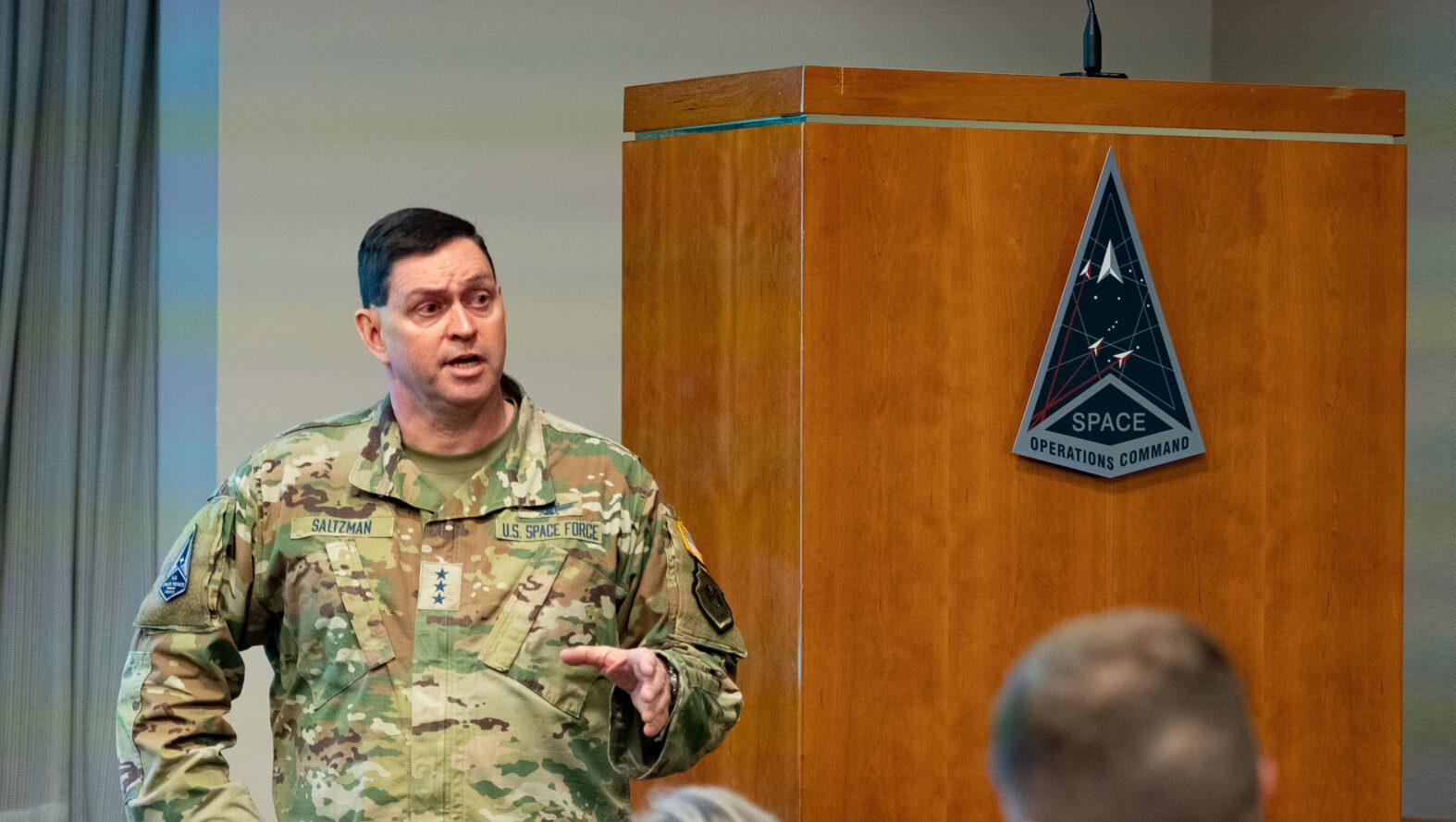
The Senate Armed Services Committee confirmation hearing for Gen. Chance Saltzman as the next, and second, Space Force chief was free of major fireworks — suggesting an easy 'yea' vote.
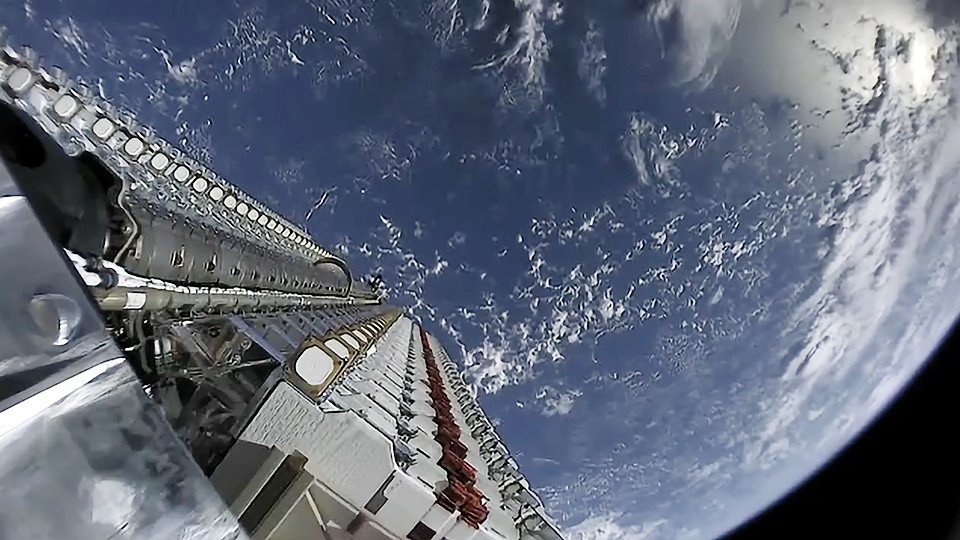
The planned buy with the largest potential value is for DoD-wide SATCOM services from commercial operators of p-LEO constellations, with multiple awards totaling $875 million slated in August 2022.


The initial command and control gateway to earn a continuous Authority to Operate is changing multi-domain operations.
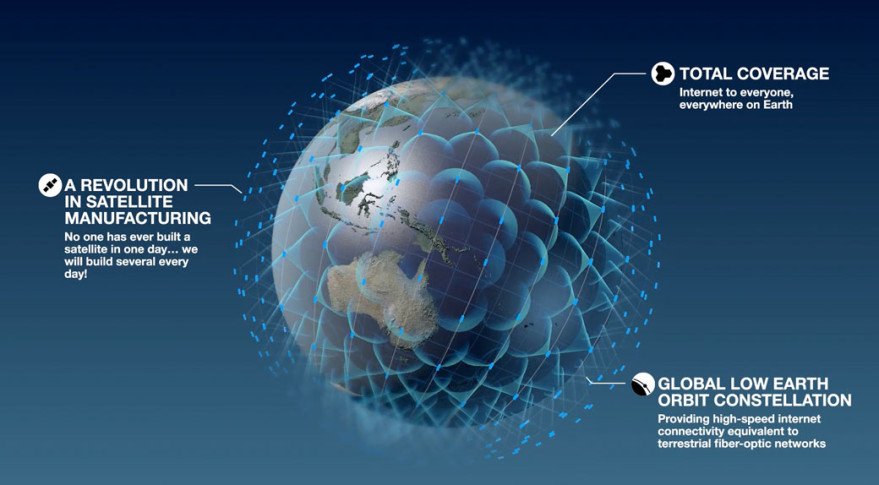
"If the Space Systems Command is going to acquire other commercial services in the same fashion that CSCO has been acquiring commercial SATCOM, then that will not serve the warfighter well," said Rebecca Cowen-Hirsch, senior vice president for government strategy and policy at Inmarsat.

Space Force's is to allow for "increased trust in industry" to assess their own systems' cybersecurity needs, "while doing due diligence" in reviewing whether those assessments are reliable, said Jared Reece.

Being able to provide space domain awareness about the cislunar environment is one mission for which robust AI/ML capabilities will be critical, said Lt. Gen. John Shaw.
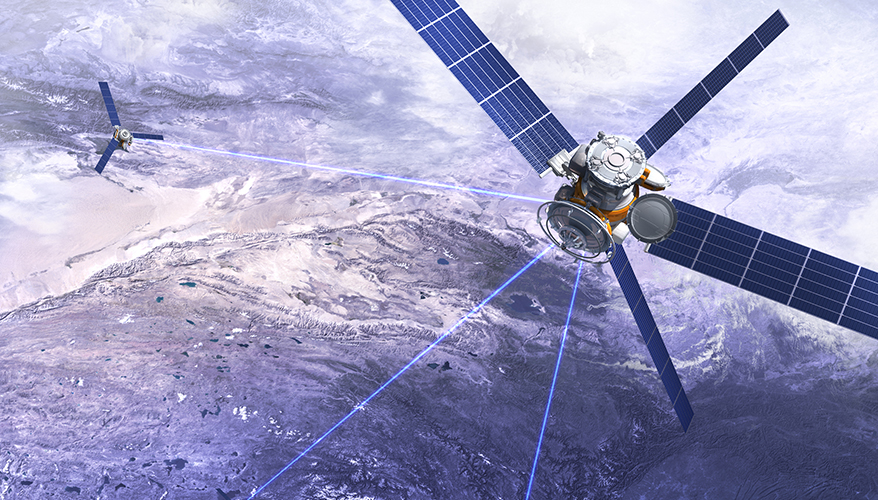
Two of the experiments, each involving two satellites, are focused on laser links: one between satellites themselves; the other from satellites to a MQ-9 Reaper drone on the ground.


Consolidate network monitoring, performance management, and fault isolation into a single, comprehensive solution.
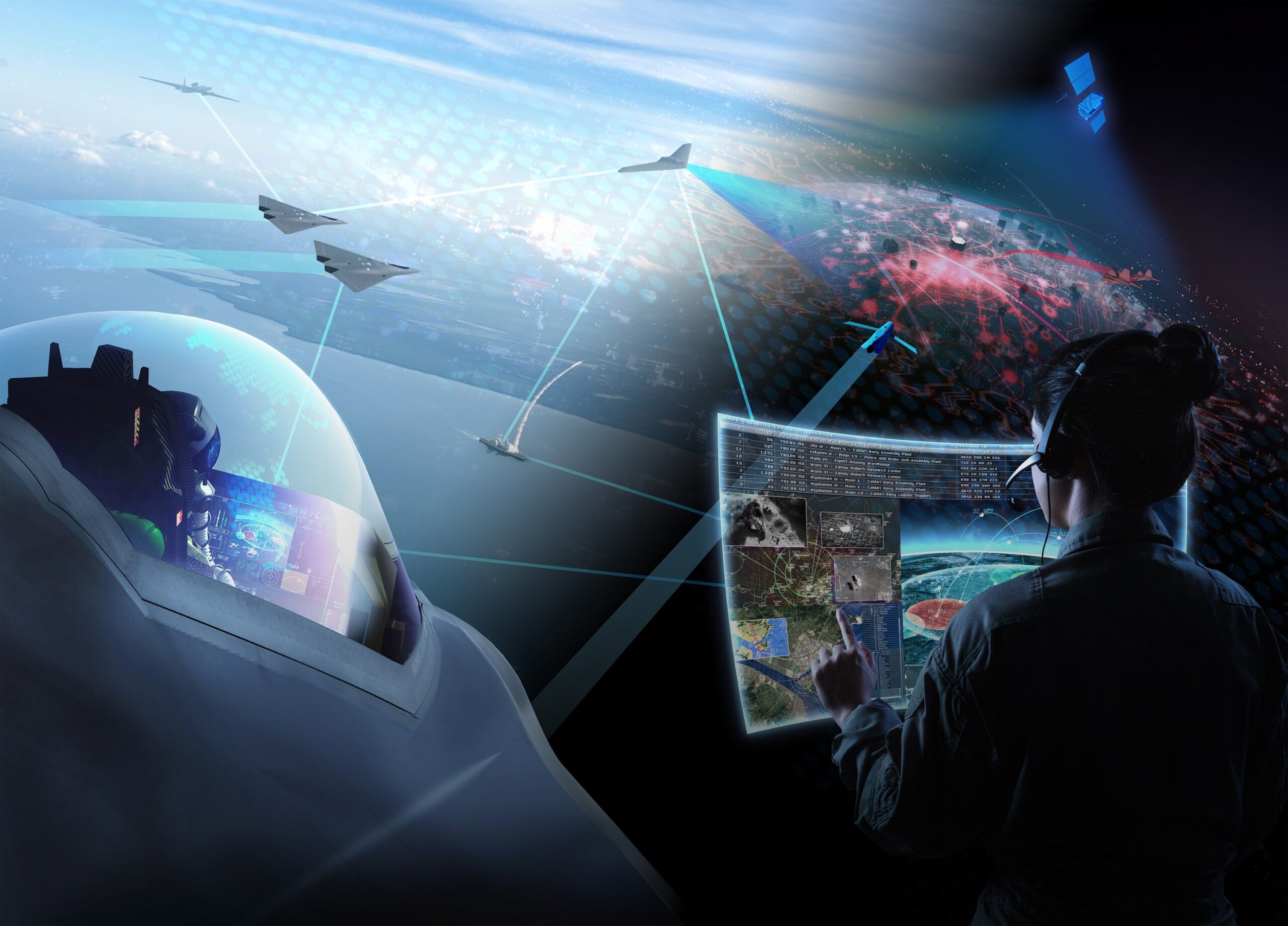
A next step will be a series of "strategic directives" from the Joint Requirements Oversight Council that roll out "over the next few months," Brig. Gen. Rob Parker, Joint Staff J6 Deputy Director says.

One of the first projects the new DeSel lab will work on is testing structures for a futuristic capability that could be enabled by on-orbit assembly and manufacturing: space-based solar power.

This is part of a larger Army effort, launched in November by Army Secretary Ryan McCarthy, to map out the service's future space endeavors.
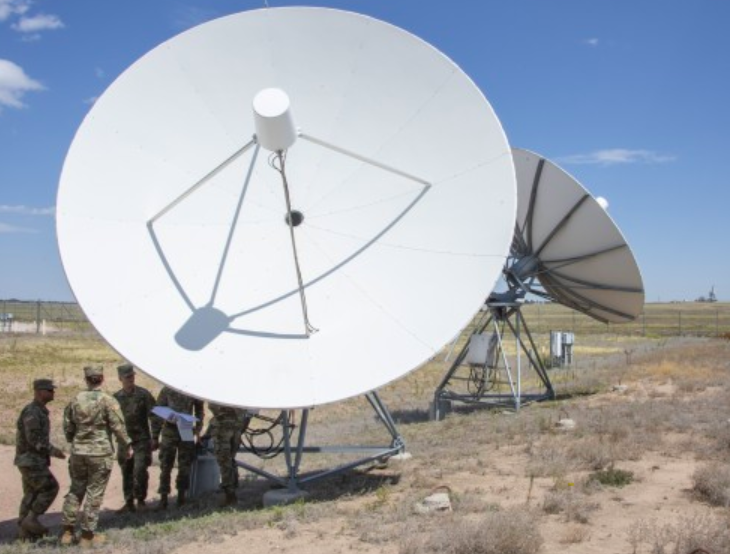
"We think that p-LEO is a big deal. And there's got to be a revolution that has to hit the ground segment, says Phil Carrai, president of Kratos's space, training and cyber division.